
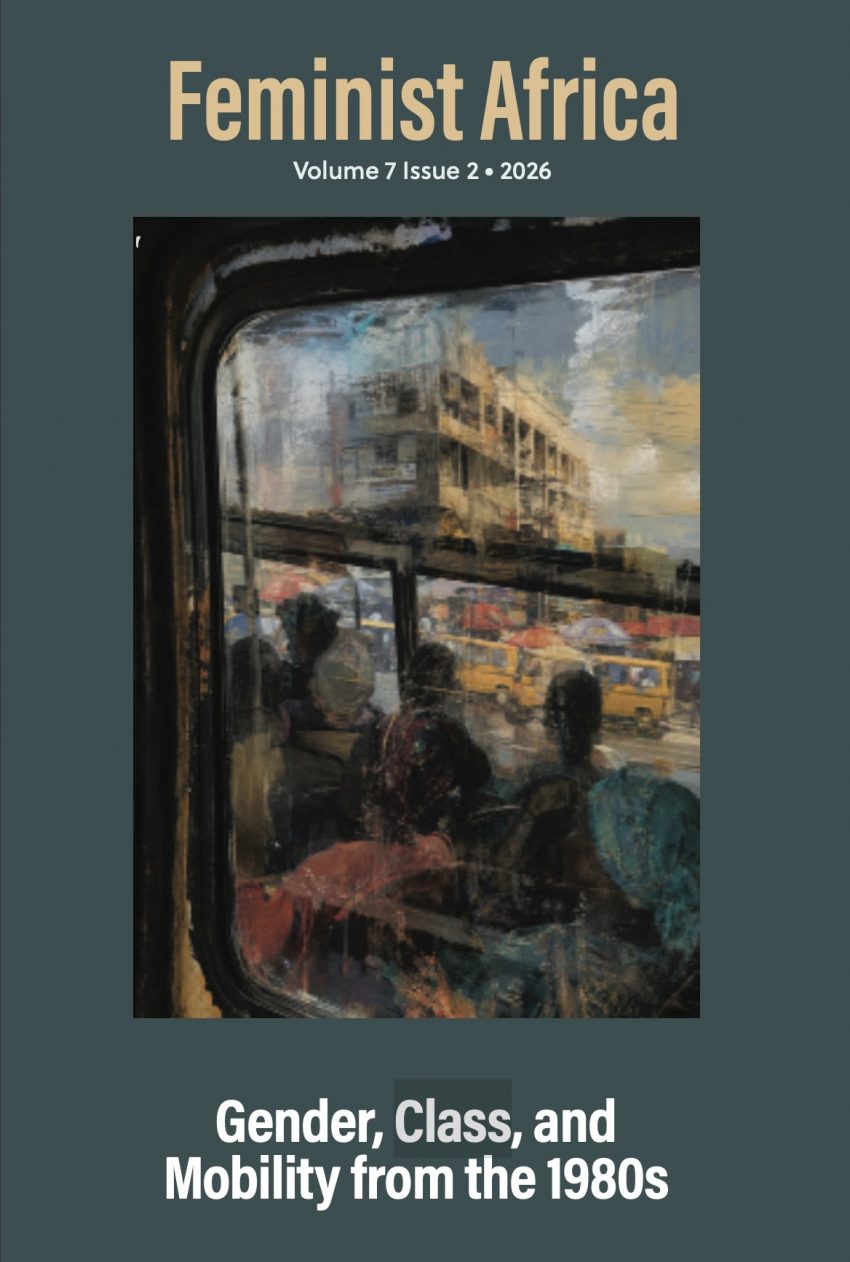
How do gender and class intersect with the experience of mobility? While movement from one geographical location to another and the aspiration to move from one social position to the next are intrinsic to social life, state structures, the market, and related practices of assigning different values and opportunities to groups and individuals view the mobility of poor, ordinary Africans as a problem to be confronted and curbed. For ordinary Africans, the aspiration to move from one social position to the other is impeded by a lack of access to resources and the securitisation of mobility. Yet, these Africans are moving in significant numbers within and beyond the continent. They face difficult conditions both en route to their destinations and in their host societies. Their gender and sexuality as women, men, and sexual and gender minorities play a role in determining the opportunities open to migrants and would-be migrants, the conditions under which they move, the work that they do and the resources available to them to improve their lives. Being gendered as women, men, or LGBTQI+ persons not only affects one’s ability to move from one social position to another, but perceptions about gender often (de)limit the aspirations of persons seeking social mobility.
Read the full journal below or download here.
FA-Vol-7-Issue-2_-1